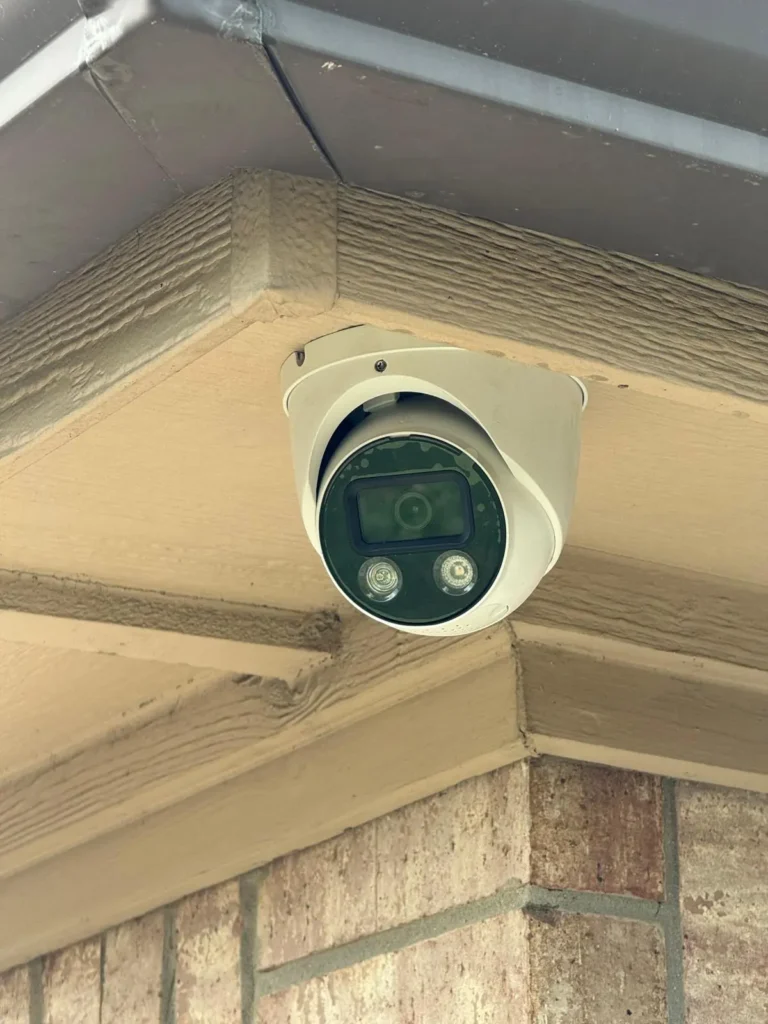
Installing security cameras is one of the smartest ways to protect your home or business—but the real magic isn’t just in the cameras you choose. It’s in where you place them. Even the most advanced 4K camera won’t help much if it’s pointed in the wrong direction or mounted in a spot that misses the action.
Many homeowners and business owners in Dallas–Fort Worth ask the same question:
“Where should I put my cameras for the best coverage?”
This guide breaks it down in simple terms and gives you practical, real-world advice based on thousands of installations across DFW.
Why Camera Placement Matters More Than People Think
Before diving into locations, it’s important to understand why placement is critical:
- A bad angle can miss faces
- A backlit camera can show only shadows
- A camera placed too high loses detail
- A camera placed too low gets tampered with
- One wrong position can create a blind spot
Good placement protects your property. Great placement prevents break-ins.
1. Cover the Front Door—The Most Important Location
Most people are surprised to learn that over 30% of burglars enter through the front door.
This makes it the #1 camera location for every home and many businesses.
Your front door camera should:
- Face the entry directly
- Be high enough to avoid tampering
- Be low enough to capture faces
- Avoid direct sunlight for better clarity
This camera also helps monitor package deliveries, visitors, and suspicious activity.
2. Watch the Driveway and Vehicles
In Dallas–Fort Worth, vehicles are a major target—especially trucks, work vans, and cars left outside overnight.
A driveway camera protects:
- Your car
- Your garage
- Your front yard
- Anyone approaching the house
A wide-angle camera works great here, but a zoom (varifocal) camera gives even stronger detail for faces and license plates.
3. Cover the Backyard—A Common Entry Point
Backyards often give burglars privacy and cover. That makes them a favorite entry point.
Place a camera:
- On the back wall or roofline
- Facing the yard gate or fence line
- In a spot with good night lighting
Backyards are typically large, so make sure the camera has strong night vision and a wide field of view.
4. Protect Side Entrances and Hidden Areas
Every property has “forgotten” areas—side doors, walkways, and service entrances.
Burglars love these because:
- They are quiet
- They are hidden
- Neighbors can’t see them
A small bullet or dome camera placed along the side of the home fills this gap and eliminates blind spots.
5. Monitor the Garage—Inside or Outside
Garages hold tools, equipment, vehicles, and sometimes access to your home.
Depending on your layout, consider:
- An outdoor camera facing the garage door
- An indoor camera inside the garage watching valuables
- A side camera covering the garage walkway
Many break-ins start with garage access, so coverage here is essential.
6. For Businesses: Watch Entrances and Exits
Every business should cover:
- Front entrance
- Employee entrance
- Customer entrance
- Loading areas
These are high-traffic areas where clear footage is critical.
Position cameras to capture:
- Faces
- Clothing
- Vehicles
- Direction of movement
The goal is not just security—it’s accountability.
7. Cover High-Value Areas Inside
For homes, this includes:
- Hallways
- Master bedroom entry
- Safe or storage areas
For businesses, key locations are:
- Cash registers
- Office doors
- Inventory storage
- Back hallways
Indoor cameras provide evidence after someone enters, helping document what happened.
8. Avoid Putting Cameras Too High
A common mistake is mounting cameras too high, thinking “higher is better.”
But cameras mounted too high have problems:
- They lose facial detail
- They see only the top of heads
- They struggle with distance
Best height: 8 to 10 feet
High enough to avoid tampering, low enough to see details.
9. Avoid Backlighting and Harsh Sun
In Texas, sunlight is a real challenge.
Don’t aim cameras directly at:
- The sun
- Windows
- Bright reflections
This can wash out the image.
Instead, angle the camera slightly or place it under a soffit for shade.
10. Think About Motion Detection Zones
Modern cameras let you choose where they detect motion.
For best results:
- Avoid facing busy streets
- Avoid pointing at trees or bushes
- Focus on areas where a person would walk
Smart zones reduce false alerts and save recording space.
A Simple Layout That Works for Most Dallas Homes
Here’s a real-world setup that covers most properties:
- Front door camera
- Driveway camera
- Backyard camera
- Side entrance camera
- Indoor hallway or main area camera
This setup covers all entry points while keeping installation affordable.
Final Thoughts
Placing security cameras correctly is just as important as choosing the right system. When positioned in smart locations—front door, driveway, backyard, and side entrances—cameras act as both a deterrent and a powerful tool for protecting your home or business.
Every property is different, but the goal is always the same: eliminate blind spots and capture clear, useful footage.
When in doubt, a professional installer can map out the perfect camera plan in minutes, ensuring your system works the way it should, day and night.