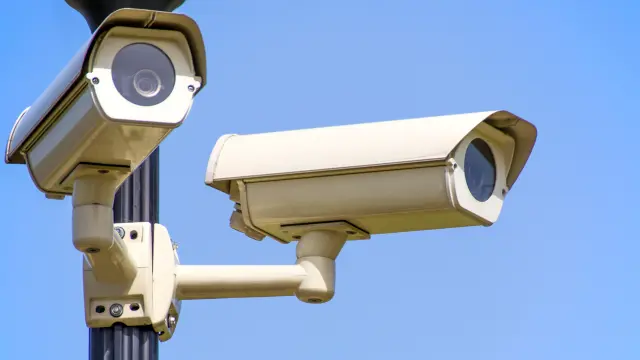
Many people believe security cameras are mainly useful after a break-in happens. They think cameras help identify the thief or provide evidence for the police. That part is true—but it’s not the main reason security cameras are so effective.
The real power of a security camera system is that it prevents a break-in long before it happens.
But how exactly does a camera stop someone who was planning to break into a home or business?
To answer that, we need to look at the behavior of burglars, how they make decisions, and what modern studies show about criminal psychology.
Let’s break down the real science behind it.
1. Criminals Avoid Homes With Cameras—Because They Hate Risk
When a burglar chooses a home or business, their biggest concern isn’t what’s inside.
Their biggest fear is being caught.
Research from multiple crime studies, including the University of North Carolina’s well-known burglary interview survey, shows:
- 83% of burglars check for security cameras before choosing a property
- 60% immediately skip a home or business if cameras are visible
Why?
Because a camera makes the burglary not worth the risk.
They want:
- A fast entry
- A fast exit
- No evidence
- No confrontation
A visible camera destroys all of that.
It exposes their face, their vehicle, their timing, and their location.
Even before the homeowner or business owner sees the alert, the burglar has already walked away.
2. Cameras Change Behavior the Moment Someone Approaches
This is where the psychology gets interesting.
Humans act differently when they know they’re being watched.
This is called the “Surveillance Effect”—and it’s one of the strongest deterrents in security science.
When someone walks toward a home and notices a camera:
- Their body language changes
- Their confidence drops
- Their brain starts calculating consequences
Even if they originally planned to commit a crime, the presence of the camera forces them to reconsider. Their internal thought is always the same:
“This house is risky. There must be easier targets.”
That split-second hesitation is exactly what prevents thousands of break-ins every year.
3. A Camera Removes the “Surprise Advantage” Burglars Depend On
Burglars rely on surprise.
They want to enter your home or business without being seen or noticed.
But cameras break that advantage immediately.
When a modern camera detects motion:
- It sends an alert to your phone
- It activates smart lighting (in some setups)
- It triggers recording with time stamps
- And in many systems, it sounds a warning tone or activates two-way audio
This means the burglar can’t operate silently.
They know you’ve been notified—even if you’re not physically there.
Burglars never want attention, and a motion alert ruins their strategy.
4. Cameras Provide Evidence—Which Criminals Fear More Than Police
It may sound strange, but burglars fear video evidence more than police patrols.
A police officer drives by and leaves.
A camera records every second.
Burglars know that:
- Cameras capture faces
- Cameras capture license plates
- Cameras capture clothing and movement
- Cameras capture accomplices
- Cameras create an exact timeline of the event
This evidence can be used to:
- Identify them
- Link them to other crimes
- Send them to jail
Even experienced criminals look for homes with no cameras, because those homes let them disappear without a trace.
5. Cameras Extend Your Presence—Even When You’re Not Home
One of the most underrated strengths of a security camera system is that it extends your presence through remote viewing.
Burglars prefer homes where the owners are:
- At work
- Traveling
- Sleeping
- Busy
- Gone for the weekend
When you get a live alert on your phone, it’s as if you’re standing outside looking at them.
Many homeowners stop break-in attempts simply by:
- Speaking through the two-way audio
- Turning on lights
- Calling a neighbor
- Contacting police quickly
Cameras remove the burglar’s advantage of “the homeowner isn’t here.”
6. Cameras Change the Entire Neighborhood’s Safety Level
This part is rarely talked about, but it’s real.
Studies show crime drops significantly in neighborhoods where:
- Many homes have cameras
- Businesses use visible surveillance
- Residents share footage when incidents happen
It’s the same concept as streetlights—one camera protects more than just the home it’s installed on.
Burglars talk.
They learn which neighborhoods are risky.
They stay away from places where cameras are everywhere.
7. Smart Cameras Make Break-Ins Even Harder
Modern 4K and AI-powered cameras don’t just record video.
They identify:
- Humans vs animals vs cars
- Direction of movement
- Returning vehicles
- Repeating suspicious patterns
Some systems even alert you when someone is “loitering” or returning to the same spot multiple times.
This makes it harder for burglars to scout your home unnoticed.
Final Thoughts
Security cameras don’t just show what happened—they actively shape what doesn’t happen.
They remove the element of surprise, change criminal behavior, increase risk for the burglar, and give homeowners immediate awareness.
The science is clear:
Homes and businesses with cameras are far less likely to experience break-ins.
If you want to protect your property, security cameras are not just a tool—they’re a prevention system that works 24/7.